
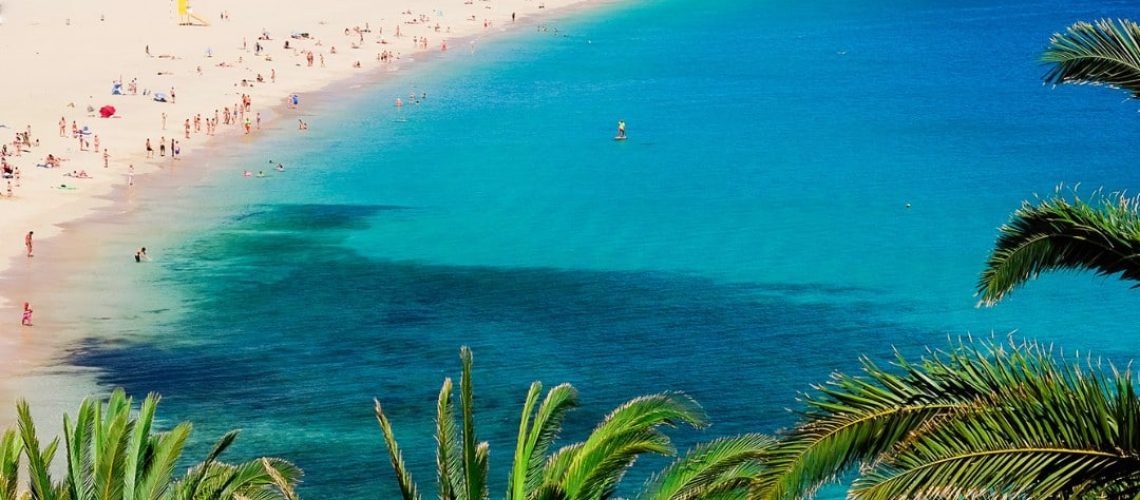
Welcome to a tour of the treasures of Fuerteventura! Get ready to discover ten places that will take your breath away on this paradise island. Remember, when exploring these magical corners, our mission is to preserve their natural beauty.
- Take your rubbish and pick up if you see any thrown away
- Do not leave the marked paths
- Do not feed wild animals (goats, donkeys, etc., you can kill them or help them have serious health problems without knowing it).
- Don’t drive like crazy, this is a quiet island, absorb the tranquility
- He respects the locals, their silence, their rest, people live here all year round.
1. Lobos Island
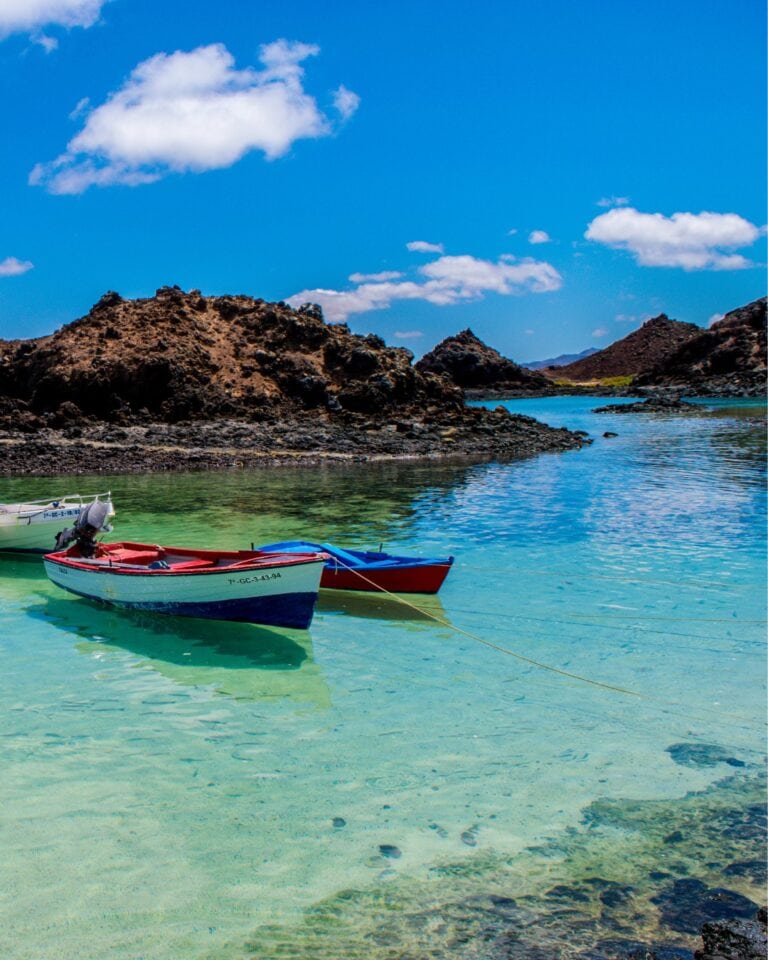
A short boat ride from Corralejo, the Island of Lobos whose name comes from the monk seals (sea lions) that inhabited the island in the past. The island awaits you with its crystal clear waters and rich biodiversity. It is one of the most amazing and special places in Fuerteventura, let’s keep it that way.
Do not leave the marked trails and please take your rubbish back home.
2. Dunes of Corralejo
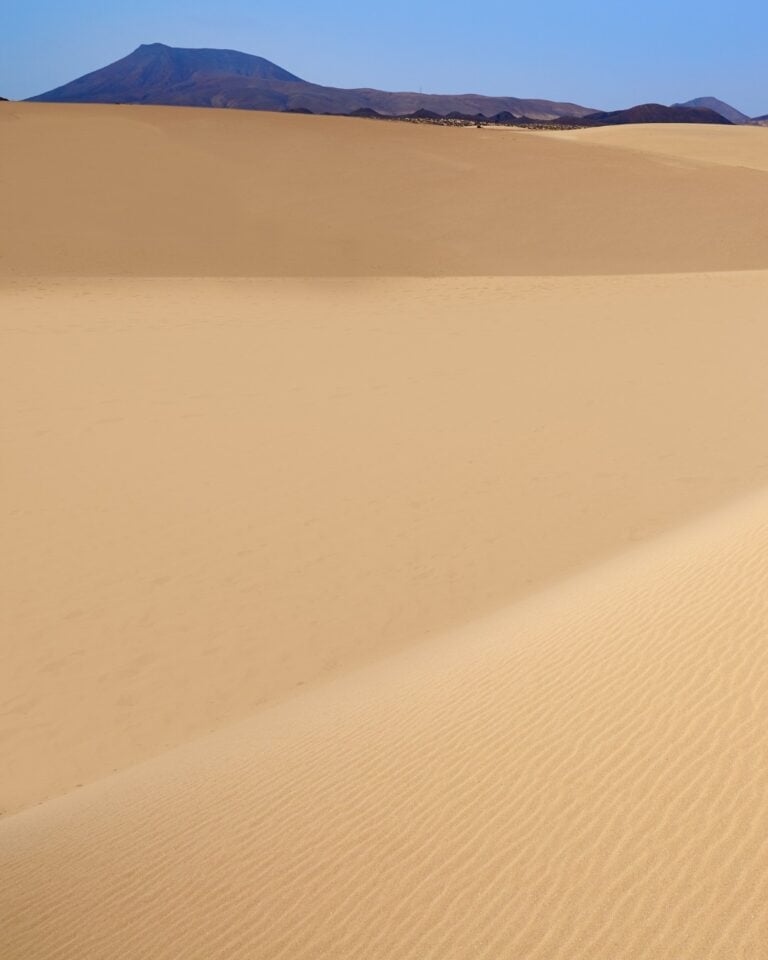
We continue our journey in the north with the spectacular Dunes of Corralejo. This natural park offers a unique landscape where the desert meets the ocean. Park your vehicle in the delimited areas, otherwise you will find yourself buried in the sand and having to call I don’t know very well who to help you get out.
3. El Cotillo
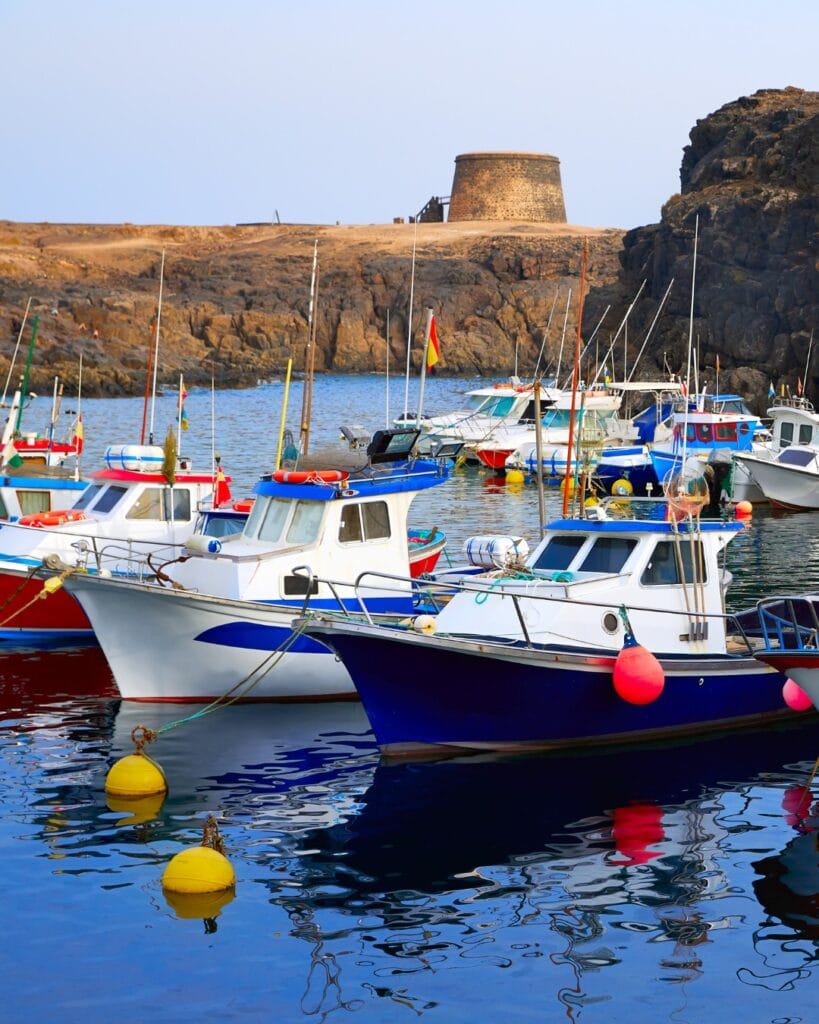
This quaint village in the northwest of the island offers breathtaking views and the opportunity to try several restaurants with views and amazing food. Visit La Concha Beach, the old port and the narrow streets of the town. There is also a good variety of shops with local and special goodies for you to take home with you as a souvenir.
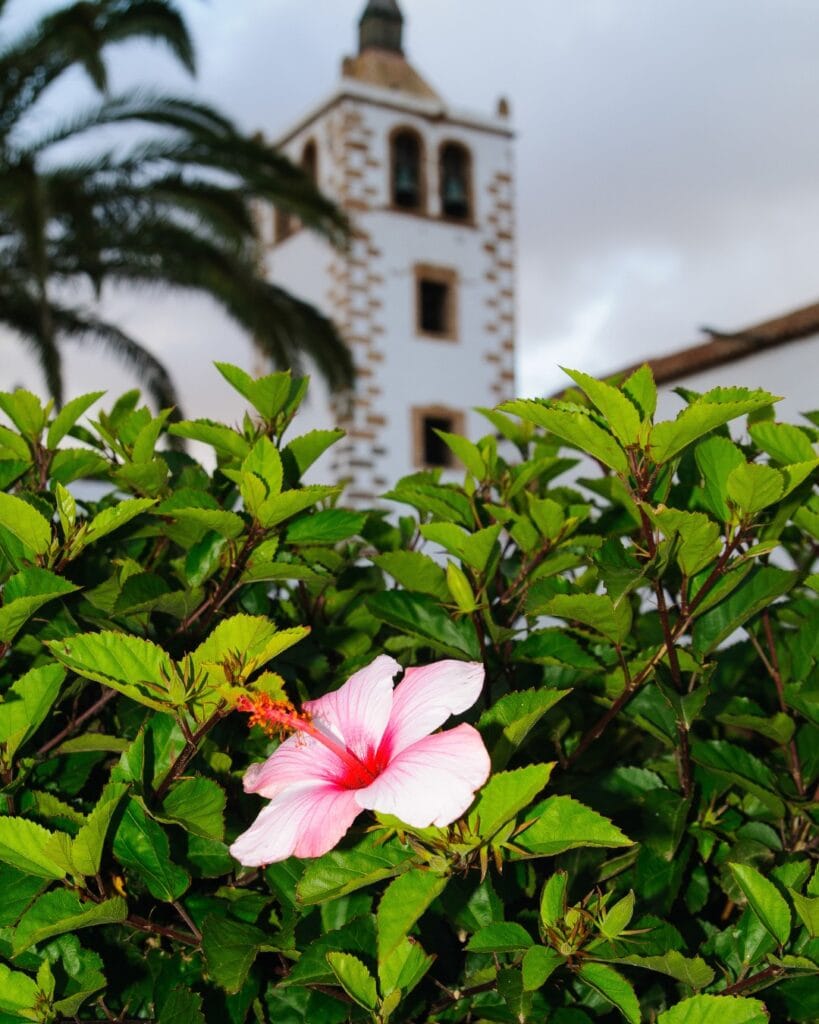
4. Betancuria: The most beautiful village in Spain
As the historic capital of the Canary Islands, Betancuria will transport you to another era. It is one of the best preserved Canarian villages in Fuerteventura. Founded in 1404, Betancuria has been one of the most beautiful villages in Spain since 2020. Here you also have several restaurants where you can enjoy the island’s cuisine. Visit the church of Santa María de Betancuría, built in 1410 (did you know that in 1593, the church was destroyed during a pirate attack and that it also destroyed a large part of the town?)
Here you can also visit the Archaeological Museum of Betancuría, which hides the treasures of Fuerteventura’s history.
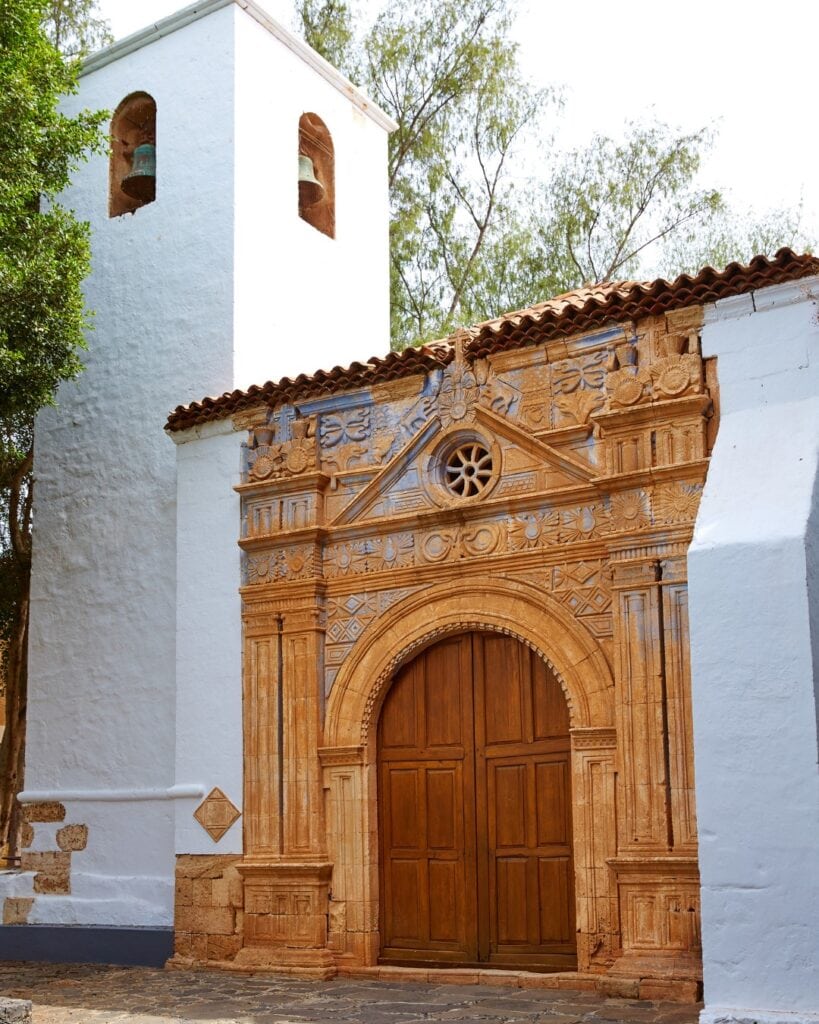
5. Pájara and its church
Church of Nuestra Señora de Regla in Pájara is an architectural jewel, famous for its extraordinary seventeenth-century façade.
Its decoration constitutes a paradigm of Canarian architecture. Made of copper stonework, the façade features numerous decorative elements, including geometric figures, snakes, suns, moons, and human heads with feather headdresses, which have led some to associate it with influences from Aztec art. The church houses several assets of historical and cultural interest, such as altarpieces, sculptures and paintings, which reflect the rich history and popular devotion of the place
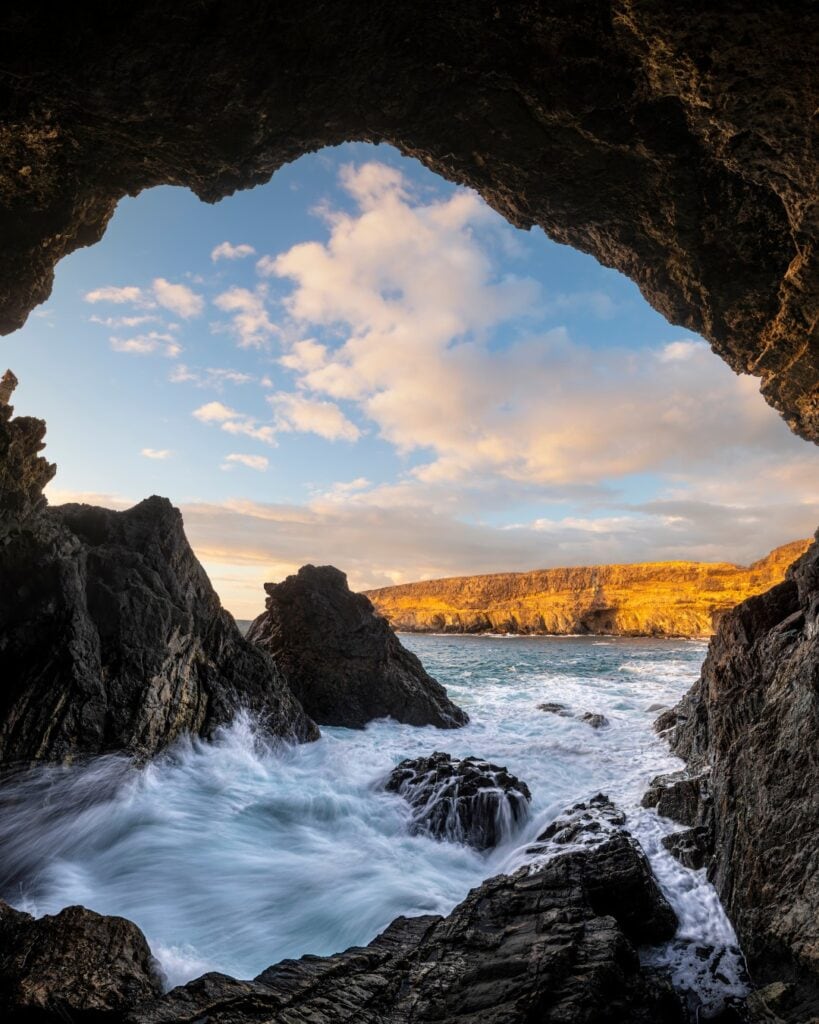
6. Ajuy Caves
Important things not to do here:
- Pee before you start walking into the caves at a designated spot, caves are not a bathroom.
- Don’t take the stones, if everyone does the same…
Journey to the Center of the Earth.
It will take you 15 to 25 minutes to walk quietly and enjoy the views. To get to the caves you have to go down some stairs with a recommended slope and to get out you will have to climb them, so it is recommended to wear good shoes and be sure of your personal physical condition.
These impressive geological formations offer a glimpse into the island’s history. The caves are part of the Ajuy Natural Monument, declared in 1987.
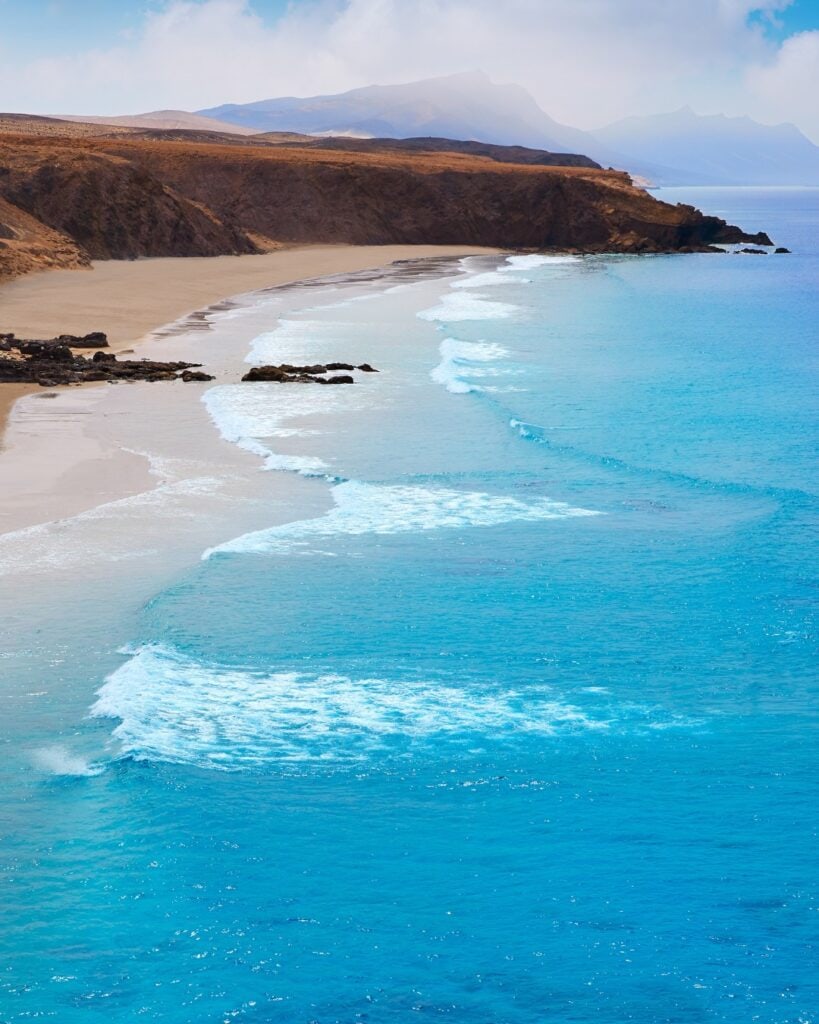
7. Playa de la Pared
One of the most beautiful places on the island to watch the sunset. It is important to watch the tides, because if you want to go down to the beach, at high tide you will not be able to access the bottom of the beach.
Known for its spectacular sunsets, this wild beach is perfect for surfers when the wind doesn’t blow, it’s ideal for experienced surfers and on the shore, you’ll find endless surf schools
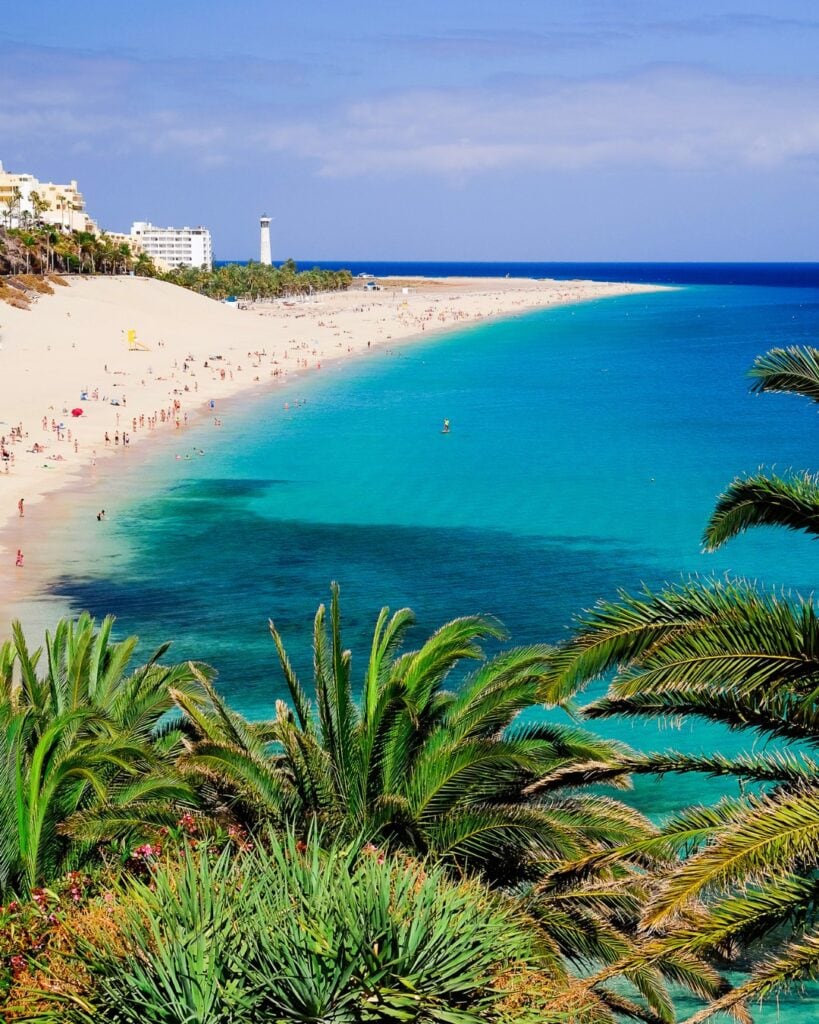
8. Jandía Beaches - Morro Jable
This charming fishing village was where I grew up and spent my childhood, as you can see, it offers golden sand beaches and turquoise waters and you can enjoy the local gastronomy in the restaurants of the village. The beaches of Jandía are some of the few places in the world where you can still lie on the sand without hundreds of people by your side. It was originally a small fishing village that has evolved into a popular tourist destination.
Here you can also find the Jandía Lighthouse, which was built in 1991 and measures 60 meters, a good place for you to be creative with your photos.
On the sides of the lighthouse you can see a strip of vegetation, this strip is the “Saladar de Jandía”, a unique wetland. This ecosystem is a plant community that withstands periodic floods, which contributes to its biodiversity and has been part of the Protected Natural Areas since 1994.
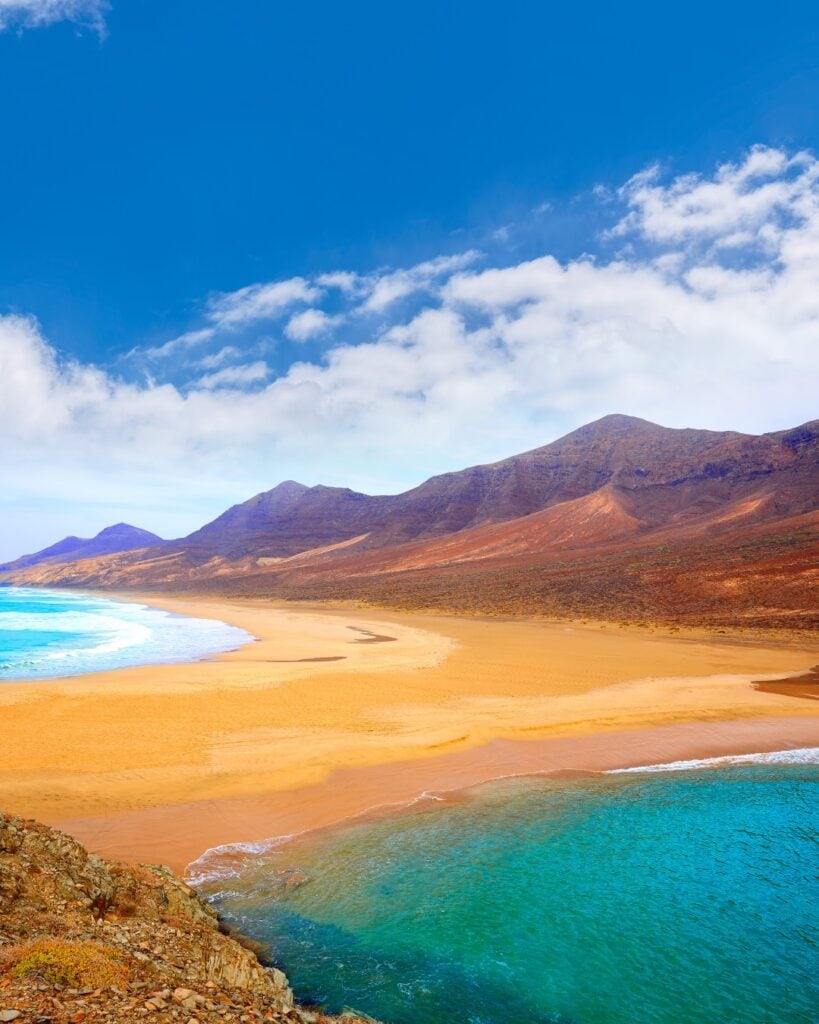
9. Cofete
One of the most stunning and unspoilt beaches in Europe, Cofete will leave you speechless.
There is a small restaurant where you can enjoy typical dishes of the island. Please be very careful when bathing on these beaches as the currents are very strong and there is no surveillance.
In addition, in this “village”, you can find the famous and mysterious “Casa Winter”
Casa Winter, located on the remote beach of Cofete in Fuerteventura, is the subject of numerous legends and conspiracy theories linking it to Nazi activities during World War II. Built in 1946 by German engineer Gustav Winter, the mansion has been a source of speculation about its true purpose. Among the most intriguing theories is the alleged existence of underground tunnels that would connect the house to the ocean, allowing secret access by German submarines. In addition, it is rumored that the property had a hidden airstrip and that it served as an escape point for senior Nazi commanders fleeing to South America. Although these claims lack conclusive evidence, the presence of a Krupp wagon and old rails near the house, as well as testimonies of explosions in the area, have for decades fueled the mystery surrounding this enigmatic construction in one of the most inhospitable places on the island.
** Cofete donkeys are part wild, remember: don’t feed them. Your natural diet is crucial to your well-being.
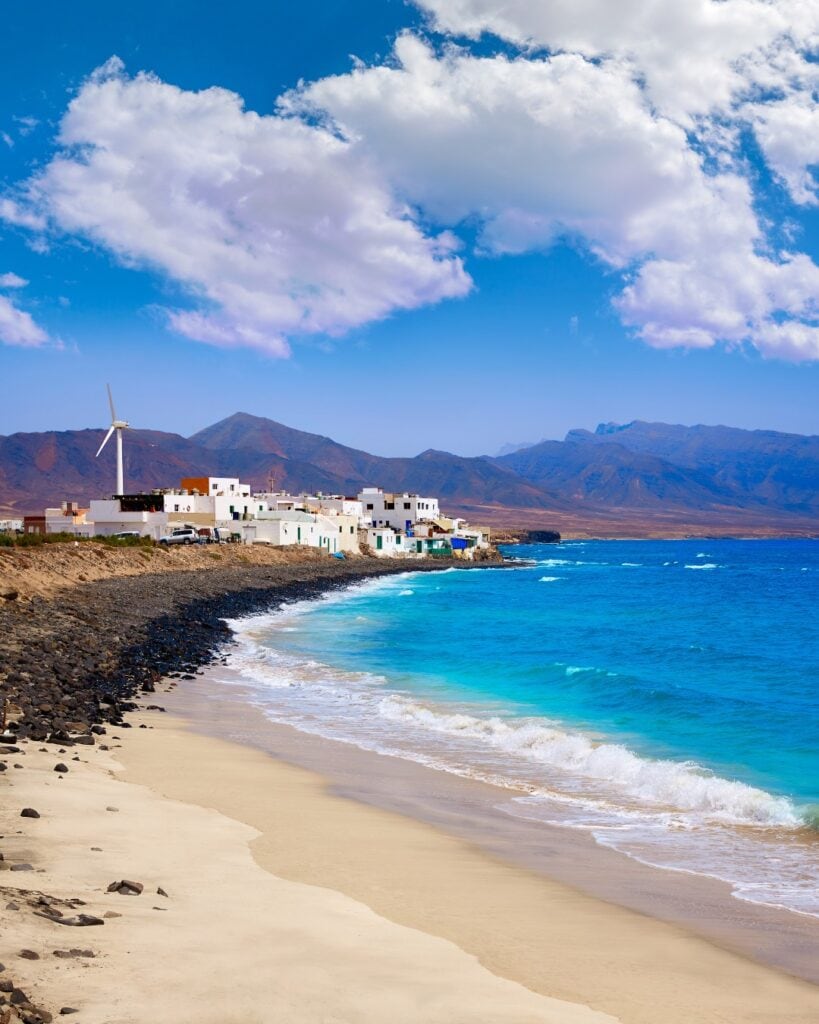
10. The Punta de Jandía
Also known as “El Puertito de La Cruz”, it is the place where I spent the summers of my childhood. It’s like being at the end of the world. The road to get here has many curves and is dirt.
There are some restaurants where you can enjoy Canarian cuisine, I highly recommend that you enjoy a good fish broth for two and a blanched gofio.
Visit the two lighthouses in this area, the small beach… With a population of just 40, this small enclave has maintained its original character over time, largely resisting the tourist development that has transformed other parts of the island. Its isolation and the difficulty of access, which involves travelling more than 20 kilometres of dirt road from Morro del Jable, have contributed to preserving its authenticity and charm as an idyllic corner of Fuerteventura.